
THE TREATMENT PRESENTATION WORKSHOP

Help your patients decide with confidence, not confusion

A one-day, highly interactive training experience for clinical professionals

You didn't train for years to become a salesperson, and yet every day, you present treatment plans and wonder why patients hesitate, delay, or say yes in the room and cancel the day before.

It's not about the treatment. It's about the conversation.

The Treatment Presentation Workshop gives a practical, people-centred framework for presenting clinical care in a way that genuinely helps patients understand, trust, and commit without anyone feeling like they're being pushed.

Book a 20-Minute Practice Growth Call


Who is This Workshop For?

This workshop is designed for dental, medical or esthetic clinicians, as well as treatment coordinators or team members who present treatment plans as part of their role.

Whether you work in general dentistry, cosmetic or restorative dentistry, or an aesthetic or specialist practice, the communication principles here apply, because patients are patients, and people are people.

You Can Book a Workshop in Different Ways

A venue-based group workshop ideal for:

  • Study clubs

  • Dental groups

  • Associate networks

  • CPD event organisers

An in-practice training day for the whole team:

Delivered as part of the 120 patient journey design programme or as a standalone workshop. Structured for the clinical team.

About Your Facilitator

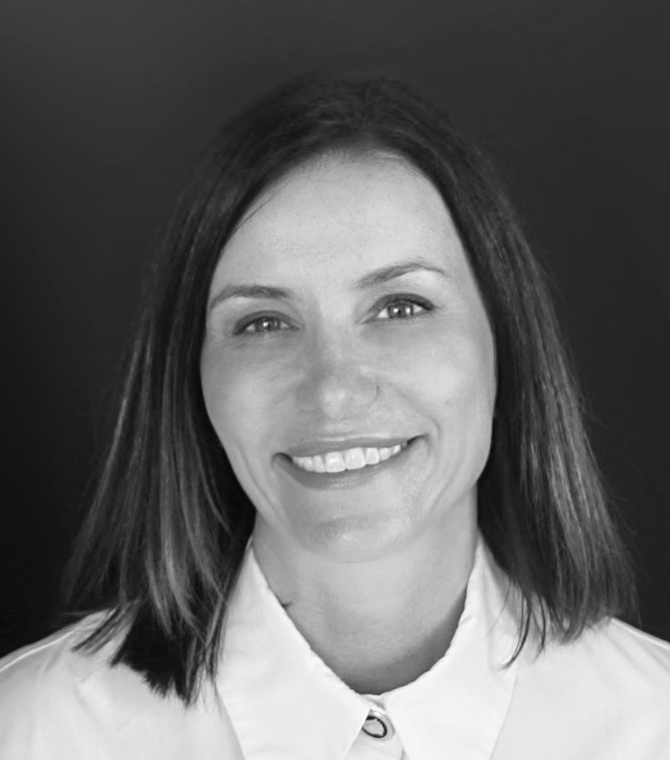
Flora Couper, RDH, has spent more than 25 years in dentistry as a clinical dental hygienist, facial aesthetic practitioner, practice consultant, territory sales manager, and trainer. She is an accredited NLP Practitioner Coach, licensed Insights Discovery practitioner and founder and owner of Your Patient Partner.

What makes Flora different is the combination. She has sat in the clinical chair, built and run patient journeys from the ground up, trained teams across dental, aesthetic, and medical practices, and worked in commercial roles where she saw — close up — what happens when clinical excellence and patient communication aren't aligned.

She doesn't teach communication as a theory. She teaches it as a practitioner, for practitioners, with the specific pressures and realities of clinical life at the centre of everything.

"I understand both sides of the room: the clinical world you're trained in, and the human conversation you're navigating every single day."
What we Cover!


Four Patient Types. Four Presentation Strategies.

A framework that helps patients decide with confidence, not confusion.

Most clinical communication training teaches you what to say. This workshop focuses on who you're saying it to.

We start with the foundation: understanding that your patients think, process information, and make decisions in fundamentally different ways. Once you can recognise that, everything else changes.

The day covers:

‍ ‍Understanding Personality Types

Understanding Personality Types and Transferring that to your Patients: Using a behaviourally informed model, you'll learn to quickly identify which communication style each patient responds to, and how to flex your approach accordingly. What builds confidence in one patient creates overwhelm in another. This changes how you open a consultation from the very first moment.

‍ ‍Building Trust 

Building Rapport and Trust: Trust building begins before you have met your patient and continues to build or deepen the moment the patient walks through the door. We'll work through how the small moments add up, and why rapport is the foundation on which everything else rests.


‍Co-discovery & Co-diagnosis

Co-discovery & Co-diagnosis enable good clinical conversation and are where clinical communication shifts. We move away from the 'expert telling' model toward a collaborative discovery, a structured conversation that brings your patient into their own treatment journey. It is easy to apply, and this approach is ethically sound, clinically powerful, and the single biggest driver of genuine treatment acceptance.

‍ ‍Treatment Presentation Framework

Treatment Presentation Framework is logical and simple to follow, leaving you with a clear, repeatable framework for presenting treatment plans and one which helps you to recognise patient types and apply flexibility to connect to their needs. This helps to avoid giving your patients the sole responsibility of deciding between options and instead helps you to support them in making confident treatment decisions.

‍ Treatment Acceptance

Treatment Acceptance is its own process and must be confirmed and not assumed. We'll look at how to bring a consultation to a natural, confident close, clinically and financially, so that treatment is accepted and booked, not "thought about."
Book a 20-Minute Practice Growth Call!

What You'll Leave With

  • A practical case presentation framework you can use for your very next patient

  • A personality type quick-reference guide for recognising each patient type in real time

  • Guided scripts to support the co-diagnosis conversation

  • The confidence to present high-value treatment without ever feeling like you're 'selling'

  • 6 hours of verifiable CPD, meeting GDC Learning Outcomes A and B


Jon Doe

Lorem ipsum dolor sit amet, metus at rhoncus dapibus, habitasse vitae cubilia odio sed.

Jane Doe

Lorem ipsum dolor sit amet, metus at rhoncus dapibus, habitasse vitae cubilia odio sed.

Jim Doe

Lorem ipsum dolor sit amet, metus at rhoncus dapibus, habitasse vitae cubilia odio sed.

The Format

This is a full-day, highly interactive workshop. It is not a lecture.

The day blends teaching, live demonstration, group discussion, and practical application, because communication skills are only useful once you've actually tried them. You'll practice in the room, reflect on your own patient interactions, and leave with tools rather than theory.

The programme is designed to respect the wide range of practice structures, patient demographics, and clinical specialisms in any group. It works whether you're in a mixed NHS/private practice, a high-end cosmetic clinic, or an aesthetics or medical consultation.


Investment

Pricing is tailored to delivery format and group size. Please get in touch to discuss your requirements, whether you're planning a group event or an in-practice day, we'll find the right structure for you.


The Triple Win Impact

Our proven methodology creates sustainable success through three interconnected outcomes:

The Patient 

  • Reduced anxiety and stress
  • Better understanding of treatment options
  • Improved health and treatment outcomes
  • Genuine sense of being valued and heard
  • Confidence in treatment decisions

The Clinician 

  • Enhanced job satisfaction and purpose
  • Improved communication and collaboration
  • Reduced workplace stress and conflict
  • Professional development and skill growth

The Business 

  • Increased case acceptance rates
  • Higher patient retention and referrals
  • Improved practice profitability
  • Enhanced practice reputation
  • Resources to invest in team development
Book a 20-Minute Practice Growth Call!

Let's Talk

If you're ready to change the way you or your team communicates with patients, and see the impact in your chair, your diary, and your patients' confidence, I'd love to hear from you.

The Treatment Presentation Workshop is delivered by Flora Couper

www.yourpatientpartner.co.uk | [email protected] |

07970 541222

Patient Journey Design Programme

I am interested in finding out how this training programme can help my practice!

Want to Improve Your Patient Experience Without the Full Programme?

Not every practice needs a complete journey redesign right now. Whether you're testing the waters or focusing on one specific touchpoint, we have options that fit where you are:

The Service Design Touch Points

There is a large amount of detailing within each of the touch points required to implement a robust and highly polished service to your patient.  Below will provide you with some of the insights of each stage.

Awareness Stage 

Are you known? What are you known for?  What is your reputation?  What do you want to be known for?  What do you need to develop? 

Do you have a marketing plan?  Is it outsourced or is it an internal business process?  How do you measure it?

Marketing can be mind-boggling and you could outsource aspects of it if it’s an area you can’t commit to learning, but regardless of how you do it two main objectives you need to achieve are that you are trustworthy and that you solve a problem that they have, or you offer something they desire. Your people ideally should be involved in marketing your business.

Pre-joining Stage 

How are calls handled? What details are collected?  What vital information should be passed to the clinical team?  How do you manage e-mail or social media enquiries?

Do you have a system to prioritise treatments and patients?   Do you have information to help new patients be prepared for their visit?

The front-of-house team doesn't need to be clinical experts, but they absolutely should be comfortable and confident to frame the clinical consultation and answer any questions the patient has about the next stage. 

Joining Stage 

How do you prepare for this Very Important Patient?  How do your team prepare for the patient's first visit?  Have you walked in their shoes?

What do you know about this person other than their name and medical history?  Do you know the chief concerns before meeting them?   Do you know how they found you?  Do you know why they selected you?

It’s time to roll out the red carpet and have a good conversation with this person who has selected you to care for them.

Communication and listening are vital; when patients are truly heard, they feel more comfortable and are more open to listening to your recommendations, and it is essential to build trust.

Delivering a new patient consultation is both a skill and an art, and once you master that and have the business structure to enable it, you will see a transformation in your treatment acceptance.

Using Stage 

How do you educate your patients? How do you present your treatment plans? How do you validate that the treatment they received was excellent?   How do you keep raising the bar to make them feel special?   How do you handle any complaints?

How do you retain these patients?   How do you follow up on optimum treatment plans that the patient declined or postponed at the beginning?   What systems do you have in place to enable this follow-up?

Do you have a process to thank patients who refer new patients to you?

A new patient requires more energy and time and will likely require larger treatment plans with a higher investment, and they are building trust with you all the while and so care and attention are required from the whole team. 

Investing your energy, time and resources to create an amazing new patient experience will support you to drive patient success and acceptance of your treatment plans.

Once a new patient has gone through their initial phase of treatment, it is critical that the transition to maintenance care is managed and delivered with the same high level of care and attention.

Never be complacent and keep raising the bar to encourage your patients to be your ambassadors and recommend their friends and family to you.

Leaving Stage 

Do you have a process for when a patient leaves you?  Do you have a way of following up on patients you haven’t seen for a while?

Do you make them welcome to come back or do you just make them inactive on your patient software?

It’s a process that most businesses don’t think of, but it’s an important one to have in place so that you accept their decision to move and simultaneously welcome them to return.

Aim to leave a good lasting impression that may result in them speaking positively about you, and should they be underserved elsewhere, they will feel comfortable returning to see you.

I Would Like to Find Out How This Can Help Me and My Team